
Best cities and venues to watch the jackpot matches: community viewing culture in Kenya
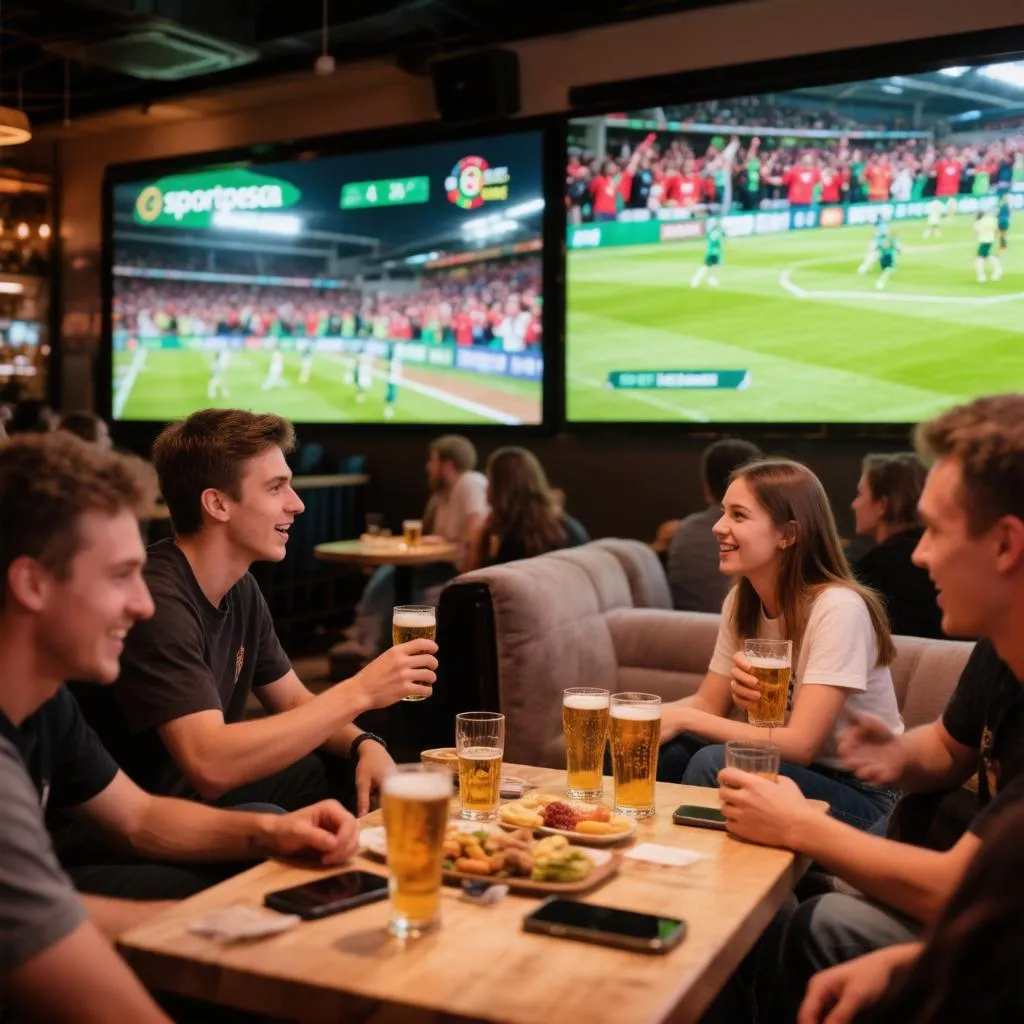
There is a peculiar sound that rises across Kenya on a Saturday evening when the first legs of the weekend’s matches settle: the groan of a hundred simultaneous sighs, followed — in the good weeks — by a roar. It comes from street-level venues, bedroom screens and projected white sheets hung on estate walls, and it is the soundtrack of one of the most communal betting cultures anywhere in the world. In Kenya, the jackpot is not filled out alone and checked alone. It is filled out with friends on Thursday, argued over on Friday, and watched live on Saturday in the company of everyone who shares the same seventeen hopeful predictions. The venues where this happens — from polished sports bars to improvised neighbourhood screens — are as much a part of the experience as the matches themselves.
Why watching together became the norm
The communal element is not nostalgia; it grew out of economics and infrastructure at the same time. When the weekend jackpot matches overwhelmingly feature English Premier League fixtures played on Saturday evenings, one screen serves dozens of punters who each paid a fraction of the viewing cost. A bundle of subscribers, a pay-per-view permit, a plastic tent and plastic chairs — and a neighbourhood viewing centre is born. For most punters, watching at home on a personal screen is the exception, not the rule, and the social ritual is inseparable from the product itself.
Three forces shaped this culture into what it exists as today. The timing of jackpot fixtures falls squarely into Saturday evening and Sunday afternoon, which happen to be Kenya’s social hours anyway. The shared ticket is a genuine tradition in many groups: friends pool picks, argue about the ambiguous draws, and split any bonus according to rules set in advance — sometimes with admirable seriousness. And the venue functions as an information exchange, where team news, injuries and last-minute odds gossip circulate faster than any app notification can push them.
Nairobi: the capital’s deep bench of options
The capital offers the widest and most stratified viewing scene in the country, and it rewards knowing the character of each district before choosing. The city’s options roughly divide into three layers:
| Area | Typical venue type | Atmosphere | Best suited for |
|---|---|---|---|
| Westlands and Kilimani | Upscale sports bars with multiple large screens | Comfortable, mixed crowd, reservations essential for big fixtures | Watching several jackpot matches in one sitting, food and craft beer |
| City centre and CBD edges | Betting shop lounges and screen halls | Busy, transactional, ticker boards everywhere | Placing and tracking bets in the same stop |
| Eastlands estates | Community viewing centres and projected screens | Loud, communal, deeply local | The full neighbourhood roar, jackpot culture in its rawest form |
The spread between a Westlands craft-beer sports bar and a Kayole projected wall is enormous, yet both host the same seventeen-match anxiety every weekend. Regulars in the city tend to build routines: the same table, the same crowd, the same argument about whether the Arsenal fixture belongs in the ticket. For visitors, the practical rule is simple — arrive early. Nairobi’s most popular screens fill beyond capacity long before kickoff on Premier League Saturdays, and standing room disappears first.
Mombasa: screens with sea air and late kickoffs
The coast turns match viewing into a longer social event, partly because the coastal evening begins earlier and ends later, and partly because the beach-adjacent venues have made football viewing a permanent installation rather than a weekend special. Along Nyali and Bamburi, several beachfront restaurants and bars run large screens with sand underfoot and the ocean audible behind the commentary. In the older town side of Mombasa, community halls and Swahili-run screen venues carry a reputation for the most animated matchday crowds on the coast — debates conducted in Swahili and English simultaneously, with football analysis that would embarrass several professional pundits.
The climate imposes its own rhythm. Early-evening kickoffs benefit from the cooler hours, and venues here often run events from sunset through the final whistle, complete with grilled food and live DJ sets during halftime. The price of this atmosphere is congestion: Mombasa’s most popular screens, particularly on weekends when Kenyan clubs also feature in continental competitions, require arriving in daylight to claim a seat.
Kisumu, Nakuru and Eldoret: the lake city and the highlands
Outside the capital and the coast, a different geography of viewing centres dominates, one built around high streets, matatu stages and market days. Kisumu’s lakeside venues — particularly around Milimani and the streets feeding the central business district — have developed a reputation as some of the friendliest viewing communities in the country, where regulars reserve seats with a phone call and newcomers are absorbed into the banter within minutes. Nakuru, sitting on the country’s transport spine, mixes a fast-growing urban screen scene with venues serving travelers passing through, giving its match nights an unusual turnover of faces and opinions. Eldoret’s highland venues, popular with the athletics community that dominates the town’s public life, lean into big European fixtures with the intensity of towns that know their football — the local Premier League following there is famously partisan.
Smaller towns follow the same template at a reduced scale: one or two dominant venues per trading centre, usually anchored to a bar with a satellite subscription and a owner who curates the crowd. In these places the venue owner is a minor local institution, and the quality of the matchday experience — sound, seating, fairness of seat allocation — depends heavily on who runs the place.
Choosing a venue that fits your matchday
With this much variety, the choice of venue becomes part of the strategy of watching. Not every venue suits every punter, and the differences are practical rather than aesthetic. When deciding where to spend a jackpot Saturday, the considerations that actually matter:
- Screen count versus screen quality. Multiple screens let you follow simultaneous kickoff fixtures, but one excellent screen with clear sound beats four tiny ones for the matches that decide your ticket.
- Time of arrival policy. Some venues clear tables between matches, some let regulars hold seats all evening. This varies wildly and is worth asking about before the first Saturday commitment.
- Power and connectivity backup. The best community centres run generators or backup power; the worst go dark for twenty minutes at the worst possible moment in a title-deciding fixture.
- Crowd composition. Mixed crowds of neutrals make for the most balanced analysis; venues where one club’s supporters dominate produce great atmosphere and occasionally poor viewing for everyone else.
- Access to quick bet placement. Punters who want to top up in-play bets mid-match benefit from venues integrated with betting shop counters; purists prefer watching somewhere that does not interrupt the football at all.
Most regulars settle within a few weekends, because the ritual component of the viewing — the group, the food, the running commentary — matters more than any single venue feature. The place itself becomes part of the ticket.
The rituals that make Kenyan match viewing distinct
A visitor watching a jackpot Saturday in Kenya for the first time will notice a sequence of customs that make the evening feel organized even when it looks chaotic. These are worth understanding before participating, because they are the unwritten constitution of every good venue:
- The ticket conversation before kickoff. Final picks are discussed and committed publicly, usually over the first round of drinks, and once the whistle goes the ticket is treated as final — changing picks mid-match is viewed as bad faith by everyone at the table.
- Collective celebration and collective grief. Goals for and against your shared picks are processed as a group; in many venues the entire room celebrates or groans in unison because half the room shares overlapping tickets.
- Halftime analysis as serious business. The break is used for genuine tactical debate and odds checking, and the quality of a venue is often judged by how good the halftime arguments are.
- The bonus split agreement. Groups playing pooled tickets agree on the split before matches begin, not after results arrive — the strongest venue cultures treat this as fixed and non-negotiable.
- The closing ritual. When the last fixture of the weekend ends, the final count of correct picks is done openly, often with an improvised scoreboard, and the winner of the small side-bet between friends — not the jackpot itself — is celebrated first.
These rituals explain why the jackpot in Kenya has outgrown its product definition. It is a weekly social event with a prize attached, and the venues exist to host that event, not merely to display a screen.
Practical realities worth knowing before the weekend
Beneath the community warmth, a few hard realities shape the experience for anyone planning a jackpot viewing weekend. They are worth factoring in rather than discovering on arrival:
- Big-fixture congestion. When two or three jackpot matches kick off simultaneously, even premium venues strain; arriving thirty to forty-five minutes early is the difference between a seat and standing outside the tent.
- Security at late finishes. Late European kickoffs run past midnight in Kenyan time, and the sensible venues have organized parking and group-departure norms; solo punters unfamiliar with an area should plan transport in advance rather than improvising after midnight.
- The cost stack. Entrance to premium screens, food, drinks and transport add up; community centres remain the most economical route, and many punters alternate between one premium venue per month and regular community screenings.
- Connectivity dependence. Live score apps strain during peak hours; venues with reliable Wi-Fi are worth a small premium, because a scoreline checked five minutes late on a deciding match is a special kind of suffering.
None of these obstacles diminishes the culture; they are simply its logistics. Regulars absorb them into the routine the way any community absorbs its constraints, and the pattern that emerges — arrive early, sit with the same crowd, commit the ticket, argue through halftime, count together at the end — is stable enough that it reproduces itself in every town from Mombasa to Kitale.
The realistic verdict
The jackpot match viewing scene in Kenya is best understood as a network of weekly gathering points rather than a list of places with screens. Nairobi offers the full range from premium sports bars to raw estate-level projections; Mombasa turns the evening into a coastal event; Kisumu, Nakuru and Eldoret host the country’s most organic community football cultures; and every trading centre in between has its own version of the ritual. What they share matters more than how they differ: the shared ticket, the collective roar, the halftime debate, and the honest counting at the end of the night.
For anyone planning to follow the weekend matches in company rather than on a phone, the advice is straightforward: choose a venue by its crowd first and its screen second, commit to a Saturday routine, and treat the pre-match ticket conversation as the real event. The matches decide the money. The venue decides the memories — and in Kenyan jackpot culture, it has always been the memories that keep people coming back the following weekend.