
Progressive vs Fixed Jackpots: What to Choose
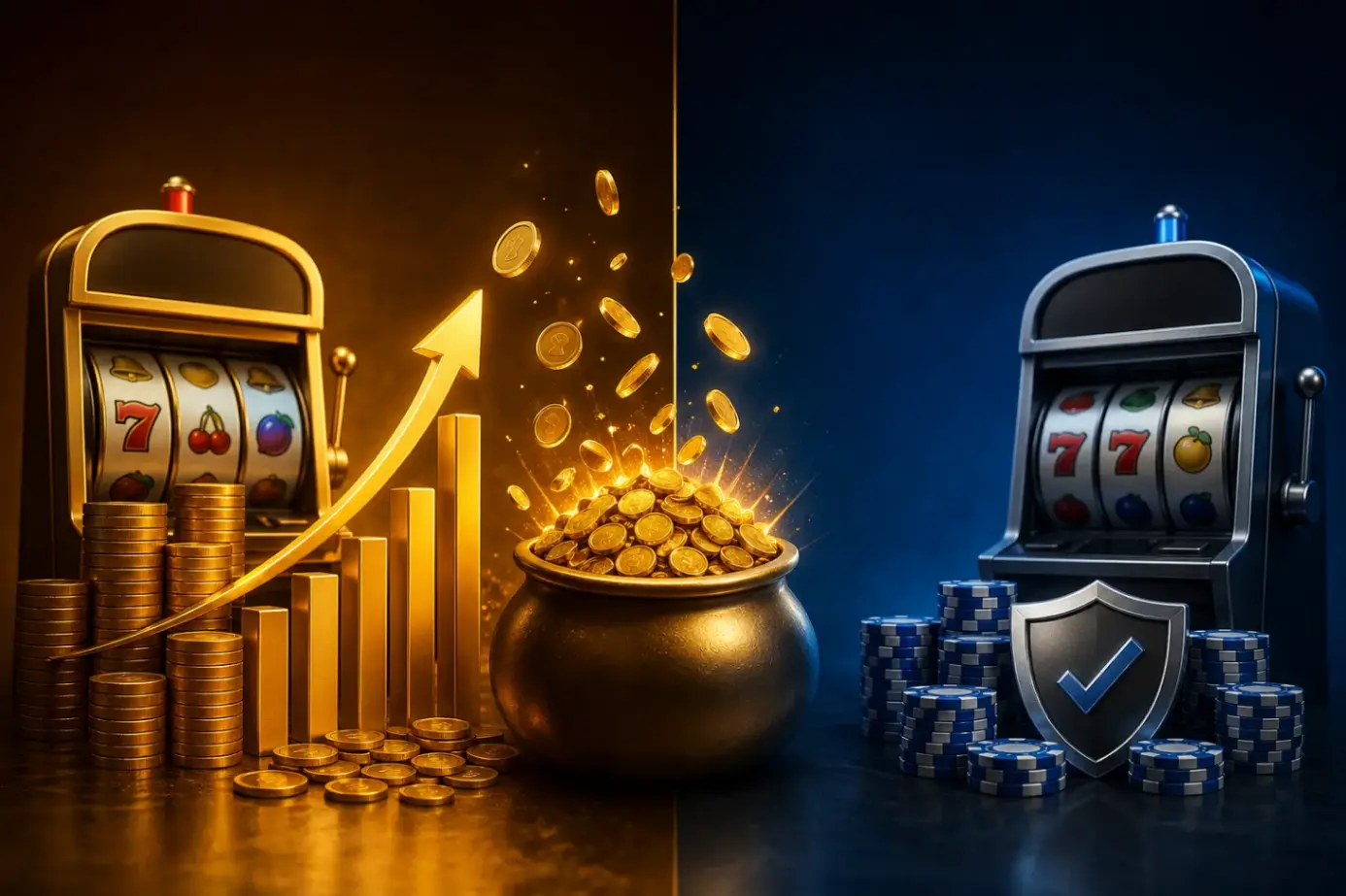
Jackpots are the part of casino gaming that turns ordinary spins into life-changing moments. The idea that a single bet can unlock a massive payout is what keeps players coming back, but not all jackpots are built the same way. Some grow over time, fueled by thousands of players, while others stay fixed and predictable. Understanding how these two systems work changes not only expectations but also the way players approach risk, bankroll, and long-term enjoyment.
The choice between progressive and fixed jackpots is less about which is “better” and more about what kind of experience you want. Some players chase massive wins, while others prefer steady, controlled gameplay with clearer odds. Both approaches have their place, and knowing how they differ makes it easier to pick the right direction.
How progressive jackpots work
A progressive jackpot is constantly increasing. Every time someone places a bet on a participating game, a small percentage of that wager is added to the jackpot pool. This continues until one lucky player hits the winning combination, at which point the jackpot resets and starts growing again.
The appeal is obvious: progressive jackpots can reach enormous sums, sometimes climbing into millions. This is especially true for networked jackpots, where multiple casinos contribute to the same prize pool. The more players involved, the faster the jackpot grows.
What makes progressive jackpots unique is their unpredictability. There is no fixed ceiling, and there is no guarantee of when the jackpot will hit. Some players spend years chasing it, while others hit it on their first attempt. The randomness is part of the thrill, but it also introduces a level of volatility that not every player enjoys.
There are also different types of progressive jackpots. Standalone progressives are tied to a single machine or game, while local progressives connect several machines within one casino. Networked progressives are the largest, linking players across multiple platforms.
Despite the massive potential rewards, the odds of winning a progressive jackpot are typically much lower than hitting a fixed jackpot. This trade-off between size and probability is the defining characteristic of this system.
How fixed jackpots work
Fixed jackpots operate on a simpler principle. The prize amount is predetermined and does not change regardless of how many people play the game. Whether the jackpot is set at $1,000 or $100,000, it stays the same until someone wins it, after which it resets to the same base value.
This structure offers clarity. Players know exactly what they are playing for, and the mechanics are easier to understand. There is no waiting for the jackpot to grow or trying to predict when it might hit.
Fixed jackpots often come with better odds compared to progressive ones. Since the payout is smaller and controlled, the game can afford to offer more frequent wins. This makes fixed jackpots appealing to players who value consistency and a more balanced risk-reward ratio.
Another advantage is bankroll management. With fixed jackpots, it is easier to plan sessions and set expectations. There are fewer surprises, which can make the experience more relaxed and less emotionally intense.
While fixed jackpots may not deliver the same life-changing payouts as progressive ones, they provide a more stable and predictable gaming environment. For many players, that reliability is more valuable than chasing massive prizes.
Key differences at a glance
Understanding the core differences between these two jackpot types becomes easier when comparing them side by side. The following table highlights the main factors that influence player choice.
| Feature | Progressive Jackpots | Fixed Jackpots |
|---|---|---|
| Jackpot size | Increases over time, potentially very large | Predetermined and stable |
| Winning odds | Lower due to higher payouts | Higher compared to progressive |
| Volatility | High, large swings in outcomes | Moderate, more balanced gameplay |
| Player involvement | Often networked across many players | Usually tied to a single game |
| Reset mechanism | Resets to a base amount after win | Resets to the same fixed value |
| Strategy impact | Requires long-term patience | Easier to plan and manage |
The table makes it clear that the choice is not just about prize size. It is about how each system shapes the overall experience, from risk levels to emotional engagement.
Pros and cons of each option
Both jackpot types come with their own strengths and limitations. The right choice depends on personal goals, risk tolerance, and playing style.
Progressive jackpots offer a level of excitement that is hard to match. The possibility of hitting a massive payout creates a unique sense of anticipation. However, this comes with significant drawbacks. The odds are lower, and it may take a long time to see any meaningful return.
Fixed jackpots, on the other hand, provide more frequent wins and a steadier pace. They are less dramatic but more consistent, which can be more satisfying over extended sessions.
The following points help illustrate the main advantages and disadvantages of each approach.
- Progressive jackpots can reach extremely high values, making them ideal for players chasing big wins.
- Fixed jackpots offer better odds and more predictable outcomes, which suits controlled gameplay.
- Progressive systems create a shared experience across players, adding to the excitement.
- Fixed jackpots are easier to understand and require less patience.
- Progressive jackpots can lead to longer losing streaks due to their volatility.
- Fixed jackpots provide a more stable return over time, even if the rewards are smaller.
These contrasts highlight why there is no universal answer. The choice depends on what matters more: the size of the potential reward or the likelihood of achieving it.
Real-world examples of both types
Looking at actual games helps bring these concepts into focus. Some of the most famous progressive jackpots include titles like Mega Moolah, known for creating multimillionaires overnight. These games are connected across networks, allowing jackpots to grow rapidly.
Another example is the Mega Fortune slot, which has paid out record-breaking sums. These games are designed to attract players who are willing to take on higher risk for the chance of a massive payout.
On the fixed jackpot side, many classic slot machines and table-based jackpot systems follow this model. A slot might offer a fixed $10,000 jackpot, while a video poker game could have a set royal flush payout. These games are often preferred by players who want a more controlled experience.
Even within fixed jackpots, there is variety. Some games offer multiple fixed jackpots at different levels, giving players several targets to aim for within the same session.
Examples show how these systems operate in practice and how they cater to different player preferences. Progressive jackpots dominate headlines with their massive payouts, while fixed jackpots quietly deliver consistent results.
Which option suits different players
Choosing between progressive and fixed jackpots ultimately comes down to personal priorities. There is no single “correct” choice, only what aligns best with your expectations and approach to risk.
Players who enjoy high stakes and dramatic outcomes tend to gravitate toward progressive jackpots. The idea of turning a small bet into a life-changing win is a powerful motivator. These players are usually comfortable with long periods of play without significant rewards.
On the other hand, players who prefer steady progress and manageable risk often choose fixed jackpots. The ability to win more frequently, even if the amounts are smaller, creates a more balanced and sustainable experience.
Different playing styles naturally align with different systems.
- Risk-takers often prefer progressive jackpots for their massive potential payouts.
- Casual players may lean toward fixed jackpots for a more relaxed experience.
- Budget-conscious players benefit from the predictability of fixed systems.
- Players seeking excitement and unpredictability are drawn to progressive pools.
These tendencies are not strict rules, but they reflect common patterns in player behavior. Understanding your own preferences makes it easier to choose the right type of jackpot.
Conclusion
Progressive and fixed jackpots represent two distinct philosophies in casino gaming. One focuses on scale and possibility, offering massive rewards at the cost of lower odds. The other emphasizes balance and consistency, delivering more frequent wins with smaller payouts.
Neither option is inherently superior. The decision depends on what you value most in your gaming experience. Some players are motivated by the dream of a huge win, while others prefer a steady and controlled approach.
A thoughtful choice leads to a more enjoyable experience. Knowing how each system works allows players to set realistic expectations, manage their bankroll effectively, and find the kind of gameplay that keeps them engaged over time.